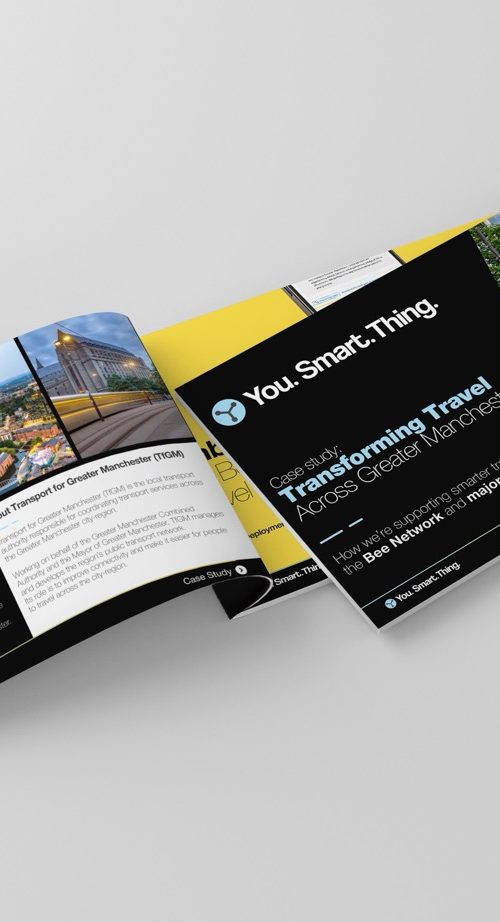
How ‘You. Smart. Thing.’ is supporting smarter travel across the Bee Network and major events.

Transport for Greater Manchester selected ‘You. Smart. Thing.’ (YST) in 2023 to deliver next generation travel planning across the Bee Network. Embedded within TfGM’s website and mobile app, and in the the communications channels of multiple Manchester-based venues and events, the YST powered travel assistant supports the promotion of active travel, regional bus franchising, park and ride, specially commissioned match day buses, tailored venue access, and real time multimodal routing at city region scale. Over 3 years to summer 2026, the platform delivered more than 30 million locally optimised travel plans, growing year-on-year adoption and sustainaing behavioural shift across Greater Manchester.
109% year-on-year growth. 30 million+ travel plans. One platform.
The Challenge
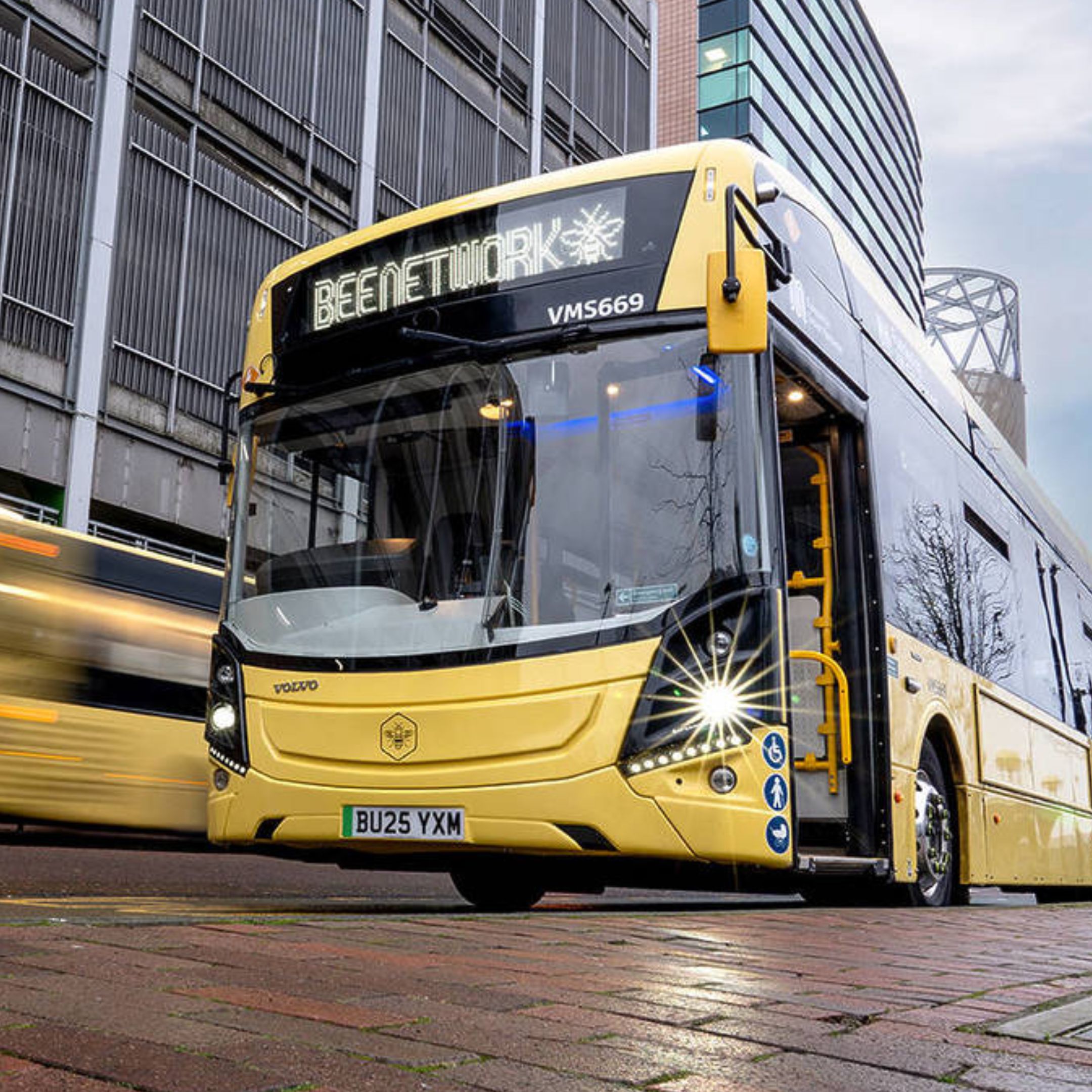
As Greater Manchester moved to bus franchising, TfGM needed one connected platform to bring bus, tram, walking, wheeling and cycling together into a single, seamless experience. It’s this thinking that’s shaped a network built to work harder for both people and place.
The Solution
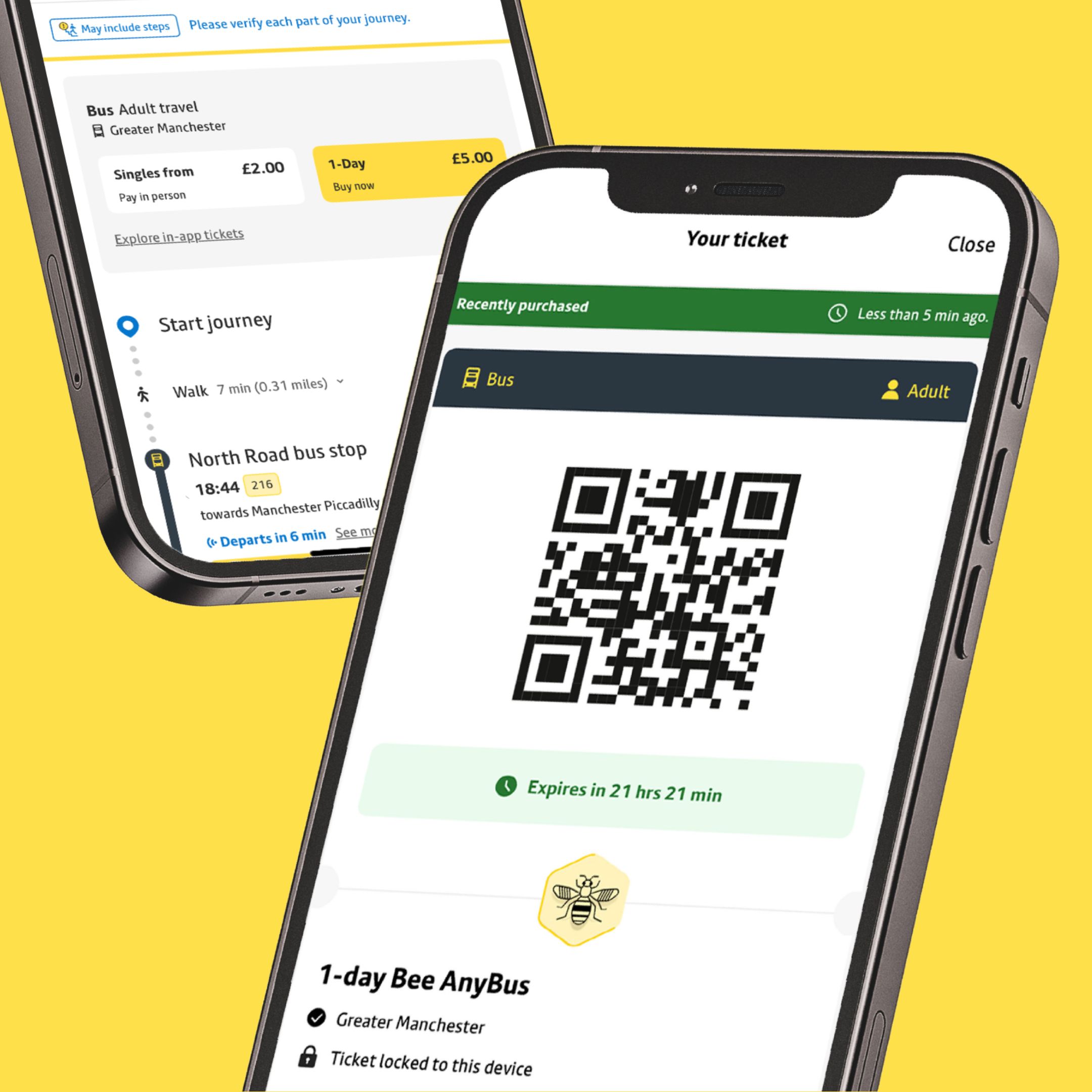
TfGM embedded ‘You. Smart. Thing.’ as the core travel assistant across the Bee Network, live on both the website and the app. It’s this single source of truth that brings real time routing, public transport first options, active travel connections and ticket purchasing together in one place.
The Result
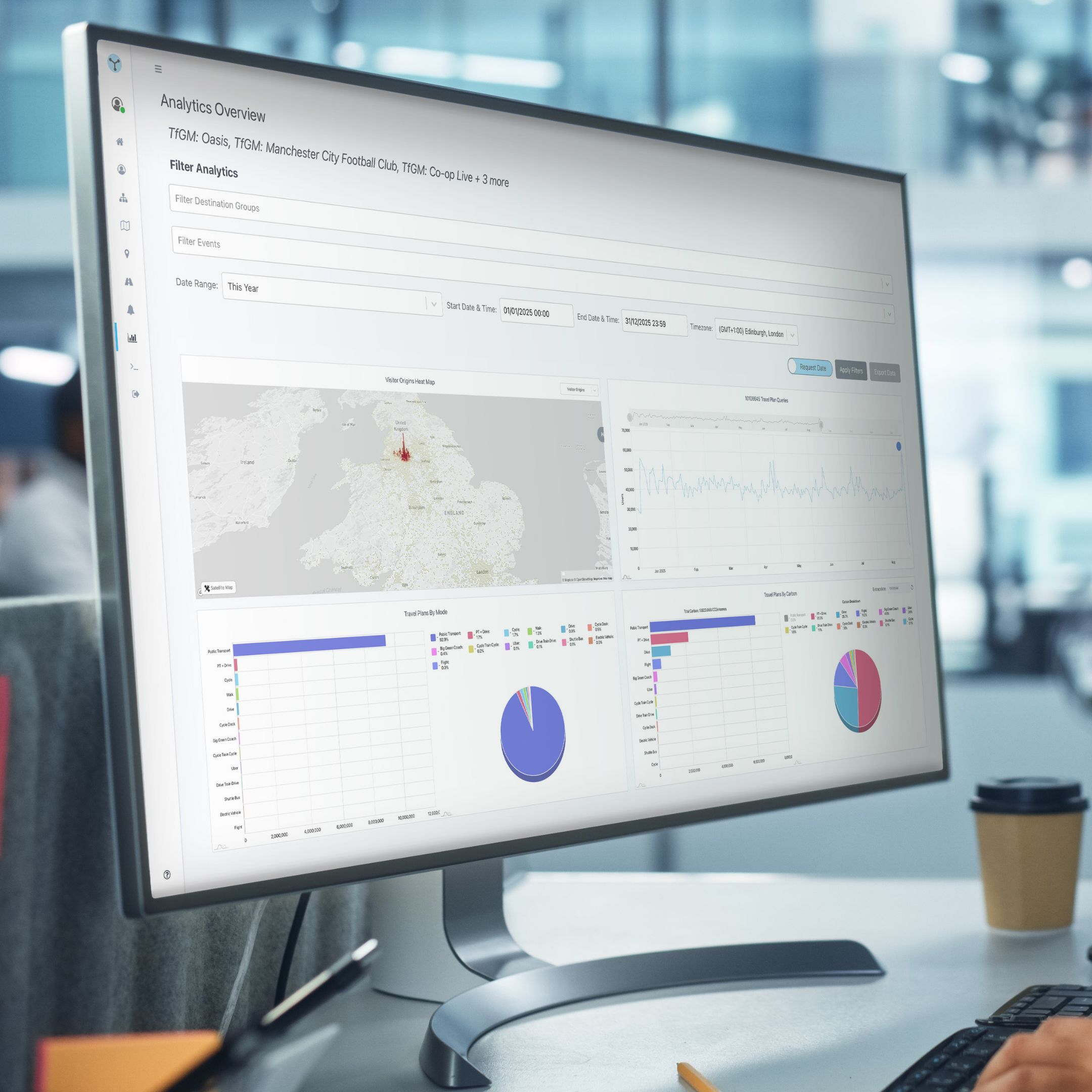
Since going live, the Bee Network travel assistant has sustained strong year-on-year growth, with adoption and behavioural shift continuing across Greater Manchester. It’s this everyday reliability that’s made digital travel information a trusted part of how the region moves.
From the Bee Network to major events
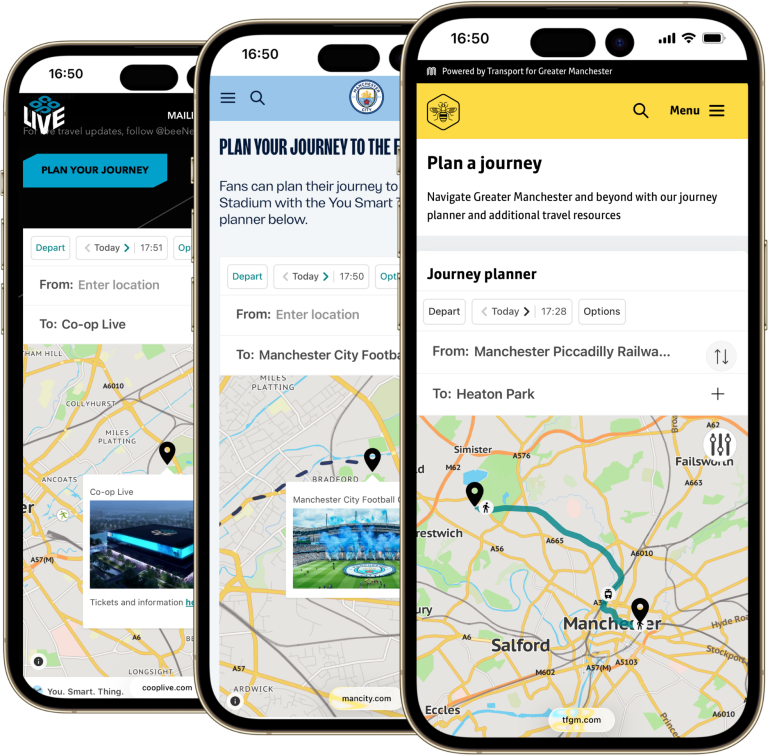
Beyond everyday journeys, TfGM enables key venues and major events across Greater Manchester to embed bespoke deployments of the travel assistant in their websites and visitor communications. Across deployments including Manchester City Football Club, Co-op Live, Oasis Live ’25, the Manchester Marathon and more, the platform delivered event specific routing, public transport prioritisation, tailored last mile guidance and crowd flow support, reducing congestion and distributing demand across the network during peak periods.
What the case study uncovers
This case study explores how TfGM built a connected travel planning ecosystem across the city region, and what the data reveals about adoption, behaviour and impact at scale.
- How bus, tram, walking and cycling were unified to create a seamless travel planning experience.
- How 109% year-on-year growth was sustained across the Bee Network.
- How venue and event deployments extended reach across the city region during peak demand periods.
- How sustained communications, outdoor media and cultural activations such as the Oasis “She’s Electric” campaign drove adoption at scale.
- How the platform supports smarter crowd movement, demand distribution and operational planning during major events.
”“A truly integrated, affordable, accessible and inclusive transport network that will provide excellent public transport and active travel choices for all; promoting sustainable travel behavioural change through integrated spatial, digital and transport planning; and supporting the electrification of vehicles and public transport fleets.”
Steve Warrener, Managing DirectorTransport for Greater Manchester
What This Means for You
This is what happens when travel information sits inside the infrastructure people already use, rather than living somewhere they have to go and find it. TfGM proves that one platform can serve a whole city region, every day, and still flex to support a single stadium on a single matchday. For transport authorities, destinations and major events alike, that’s the real proof point: the same approach that helped define 30 million journeys across Greater Manchester can be shaped around any network, destination, venue, or event, at whatever scale is required.
Produced in collaboration with Transport for Greater Manchester, based on deployments from 2023 to 2026. Image sources: Transport for Greater Manchester