Why Travel is the Biggest Untapped Opportunity in Live Events: Lessons from ‘You. Smart. Thing. Live’

Leaders from the Wimbledon Championships, London Marathon Events, The Open, Live Nation owned venue group Be•at, Amsterdam’s Johan Cruijff Arena, and more shared what they have learned about the part of the event day that happens before the gates open and after they close.
For most visitors, an event starts at their own front door, not at the gate. That was the starting point for the first ‘You. Smart. Thing. Live’, which brought destinations, rights holders, venues, event organisers, supply chain partners, and industry leaders from sport, music, culture, and tourism together at Arboretum in central London on 15 September 2026.
Across the day, speakers acknowledged the same key challenges from different perspectives – travel is the largest part of an event’s carbon footprint, and the part of the day visitors find most frustrating. It is also where organisers have the most to gain: better experiences, lower emissions, new insight into their audiences, and new revenue.
 Chris Thompson, CEO of ‘You. Smart. Thing.’, said:
“We’ve brought a diverse group of major event organisers together because we believe the trip to and from the event is where visitor experience is won or lost. The day has highlighted how many organisations share that reality. Everyone wants visitors to arrive relaxed, on time, using the best routes and modes of transport for them and for the planet. The people here are making that happen – transforming how visitors get to the events they love by thinking through travel demand in advance, communicating tailored options, and keeping people updated en-route.”
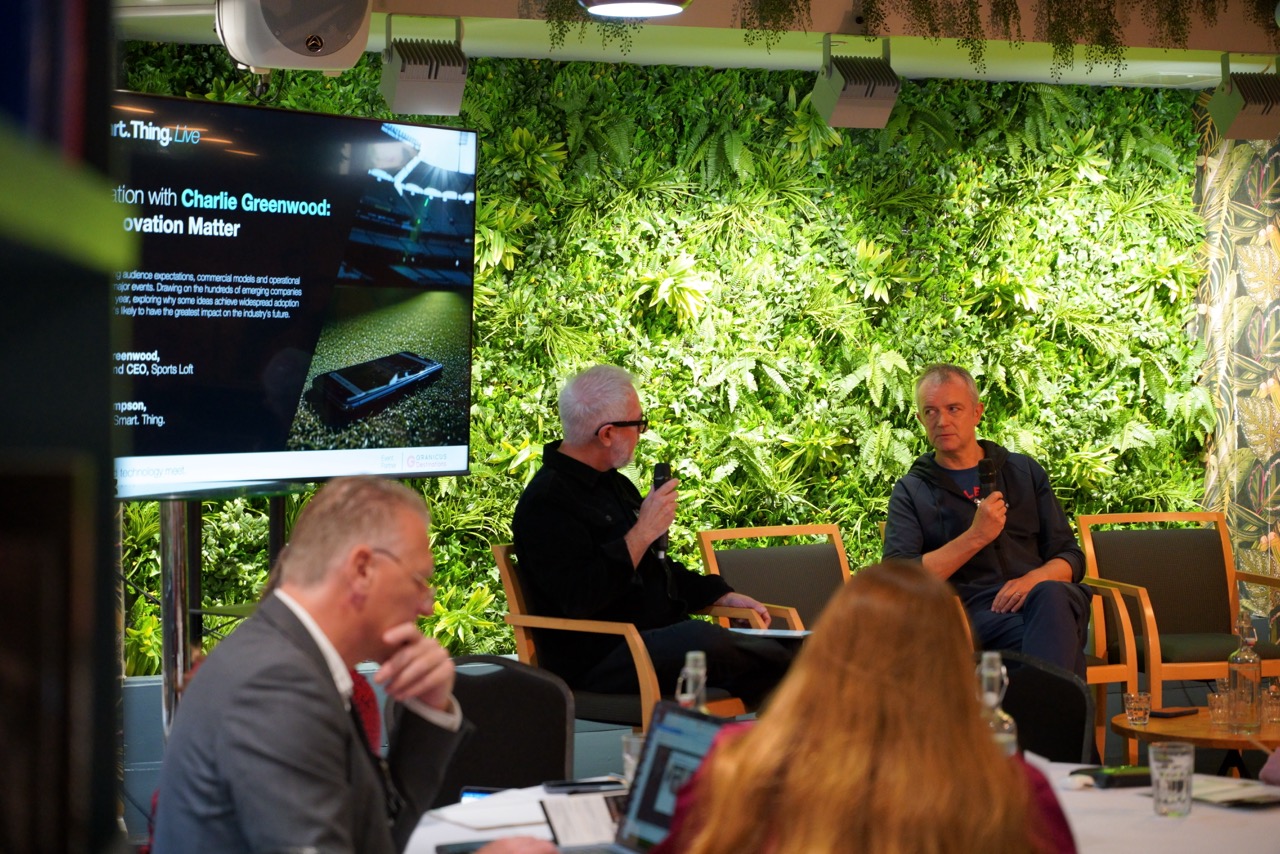
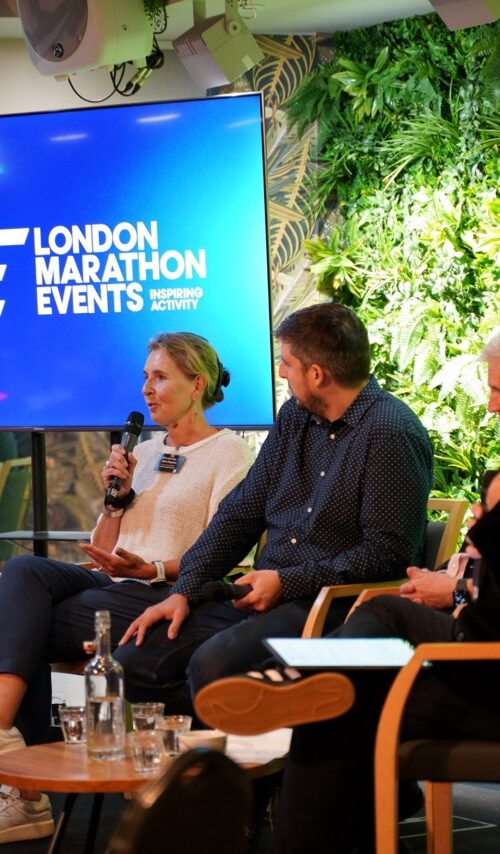
(Chris Thompson and Charlie Greenwood on stage discussing innovation in live events)
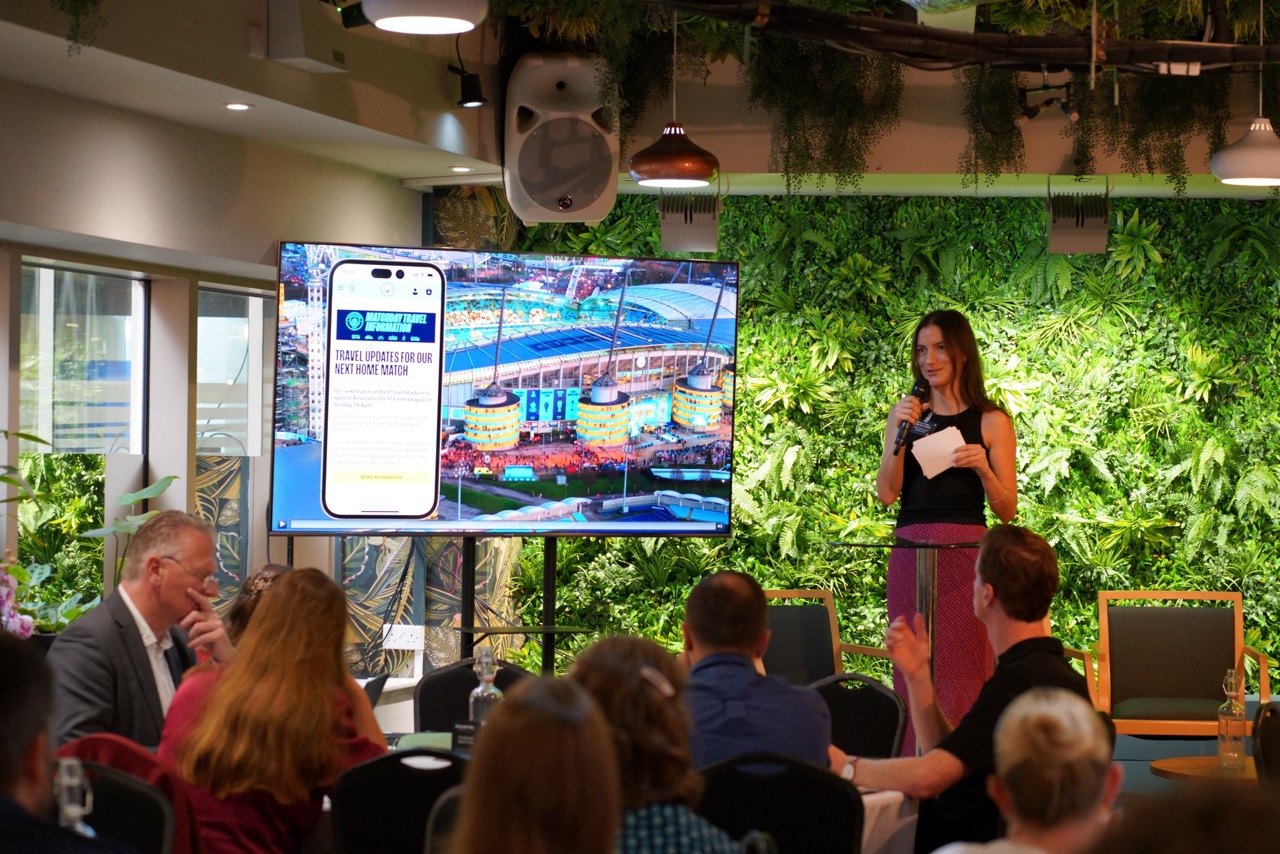
(Alex Townshend presenting on event travel and personalised travel plans)
The bar is set outside our industry
Emma Gibbons, Head of Client Development at ‘You. Smart. Thing.’, opened the day around four connected themes: People, Place, Profit, and Planet – welcoming delegates with an acknowledgement of the need to balance ‘the four Ps’.
In the opening conversation, titled Making Innovation Matter, Charlie Greenwood, Founder and CEO of Sports Loft, told Chris Thompson why expectations keep rising. “The audience expectation is set by the best experiences that you have across the rest of your life… and that’s a real challenge. I think that’s hard for both startup companies that are coming to market, but also people who are running venues and experience-led businesses, because you can’t put something out there that’s just not as good as the rest of the market.”
Alex Townshend, Head of Environmental and Socio-economic Impact at ‘You. Smart. Thing.’, followed with Own The Journey, Unlock The Value. On event day roads often close, event shuttle bus services might be in place, and more frequently car parks are becoming fan zones. The entrance for your ticket type is really the front of the venue. Yet most visitors still rely on a generic navigation service that knows none of this. Alex explained how personalised travel plans, generated the moment a ticket is purchased, can turn the most frustrating part of the day into a unique opportunity to improve visitor experience and create valuable engagement between event organisers and visitors. ‘You. Smart. Thing.’ has delivered more than 30 million personalised travel plans.
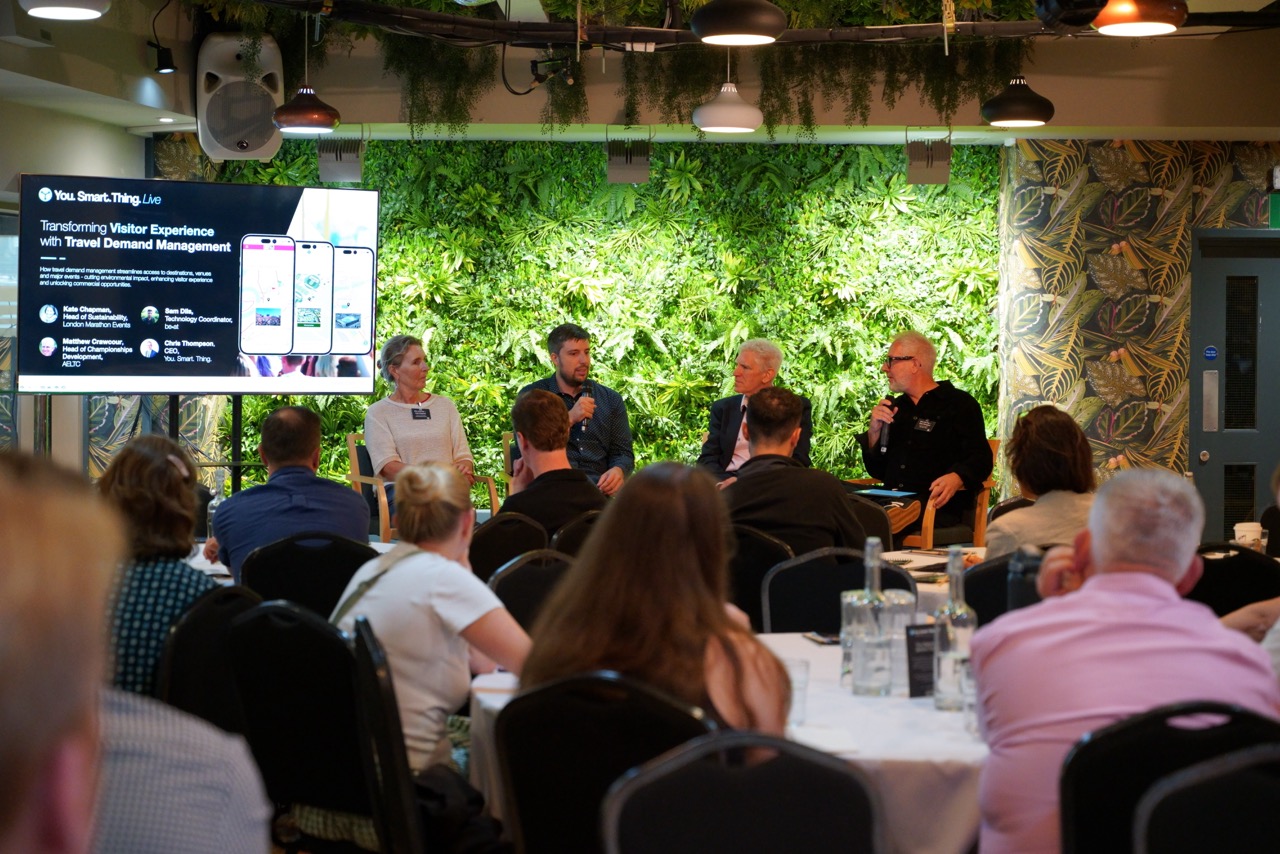
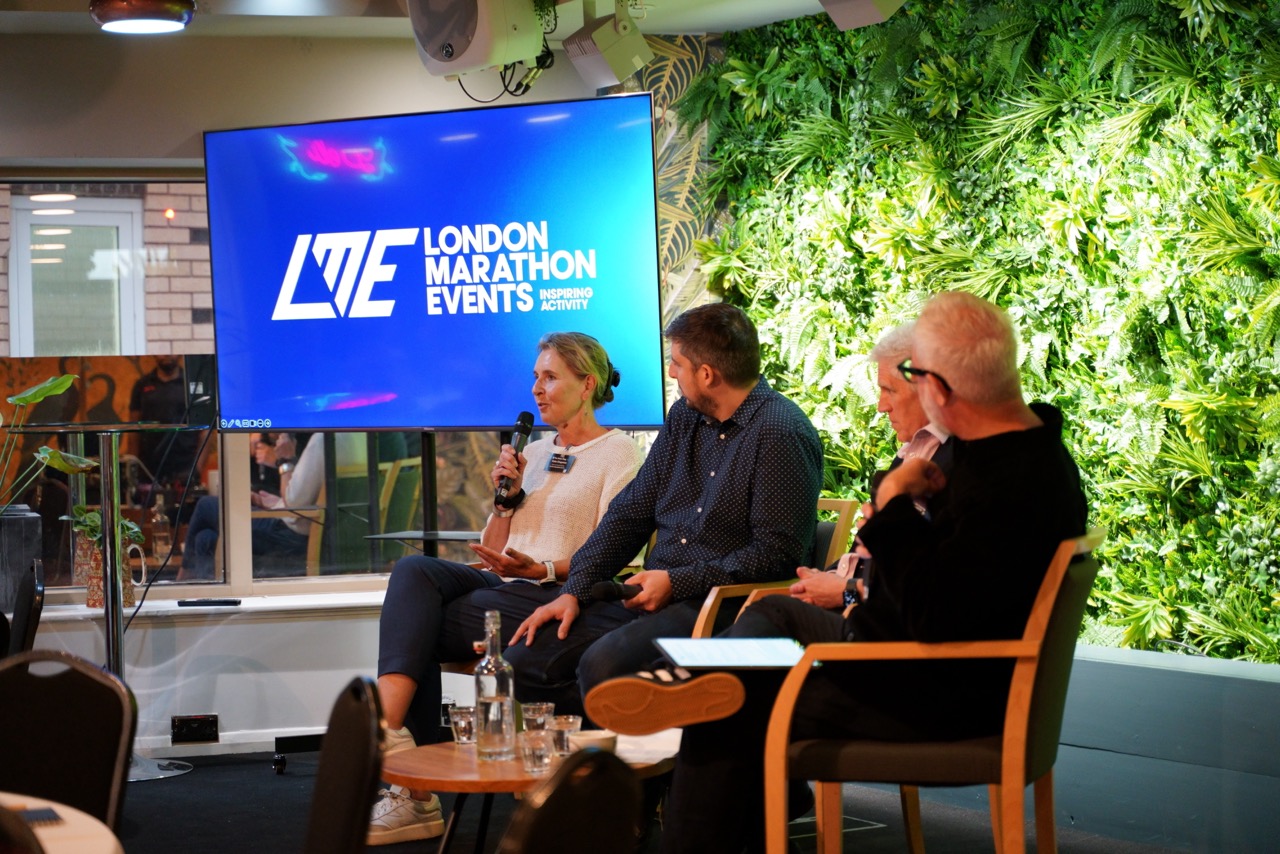
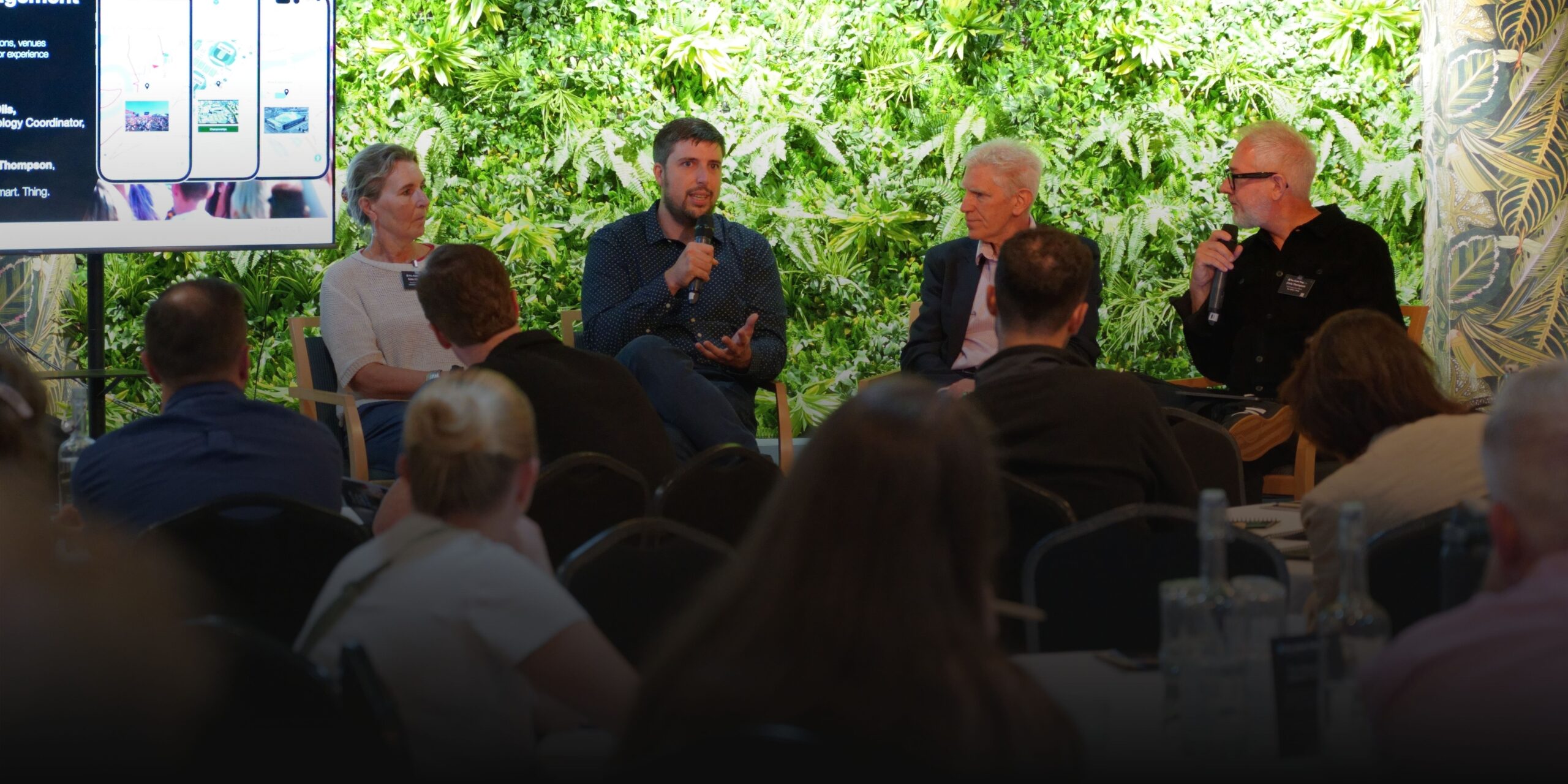
(Panel discussion on event travel and visitor experience)
The trip is a critical part of the event
The first panel of the day, Transforming Visitor Experience with Travel Demand Management, was chaired by Chris Thompson and asked who owns the visitor’s trip.
Kate Chapman, Head of Sustainability at London Marathon Events (LME), explained that for LME, after participants, spectators, businesses and residents are the next priority. Each runner brings four to five supporters, and it’s their day that can be the most challenging: held up at a crowded station and subsequently having to navigate congested cheer points, they may miss the runner they came to see. LME has started extending its YST-powered travel assistant service to spectators at its largest events, guiding them to quieter viewing and cheer points and easing pressure on the transport network.
Matthew Crawcour, Head of Championships Development at the All England Lawn Tennis Club (AELTC), described a different challenge. Wimbledon knows when each day starts but notwithstanding the 11pm curfew, due to the unpredictable length of each match – not to mention the weather – no-one knows when it will end. In parallel the ambition is for the Championships to become a public transport event. Speaking about the Wimbledon Travel Assistant service, Matt said: “People have now created a lot of their travel plans to come to the All England Club. As things change for them dynamically during the day, they can get their travel plan out, and they can play with it… We’re giving people the tools to do the job and then letting them responsibly make decisions.”
Sam Dils, Technology Coordinator at be•at, the Live Nation owned Belgian venue group whose seven concert venues and theatres include the AFAS Dome in Antwerp and Forest National in Brussels, gave the venue’s view. A venue knows what a generic map app does not: which roads are being rebuilt, which car park is closed tonight, and which entrance to use. With around 800 events a year, that information has to update automatically, and the aim is to reach visitors before they set out, with the message that their trip has already been considered and personalised recommendations for the best event-day experience provided.
Events can redefine people’s habits
The second panel of the day, Creating Lasting Impact, was chaired by Alex Townshend, and looked at impacts beyond the event itself.
Ydze Rijff, Strategic Advisor and Mobility and Environment Lead at Johan Cruijff Arena in Amsterdam, described a stadium as a miniature city, with the same needs for food, safety, logistics, and transport. Johan Cruijff Arena has set a goal to be net positive by 2030, giving back more to society and the environment than it takes. Ydze remarked: “When it’s about the carbon footprint of an event, then mobility is the elephant in the room.”
Jamie Saye, Co-founder and Executive Director of SAIL, showed that perceptions about venue and event accessibility can be as big a barrier as provision. During Bradford 2025 UK City of Culture, audiences drove to an outdoor event on the moors because they believed there was no bus. There was, and a social media campaign following a family making the trip by public transport led to a rise in people subsequently leaving the car at home.
Livvy Drake, Project Director at onboard:earth, a charity that helps live events reduce the impact of audience travel, addressed the emissions that remain. onboard:earth’s model is simple: adding a small amount on each ticket or car park pass, which funds offsetting and nature restoration.
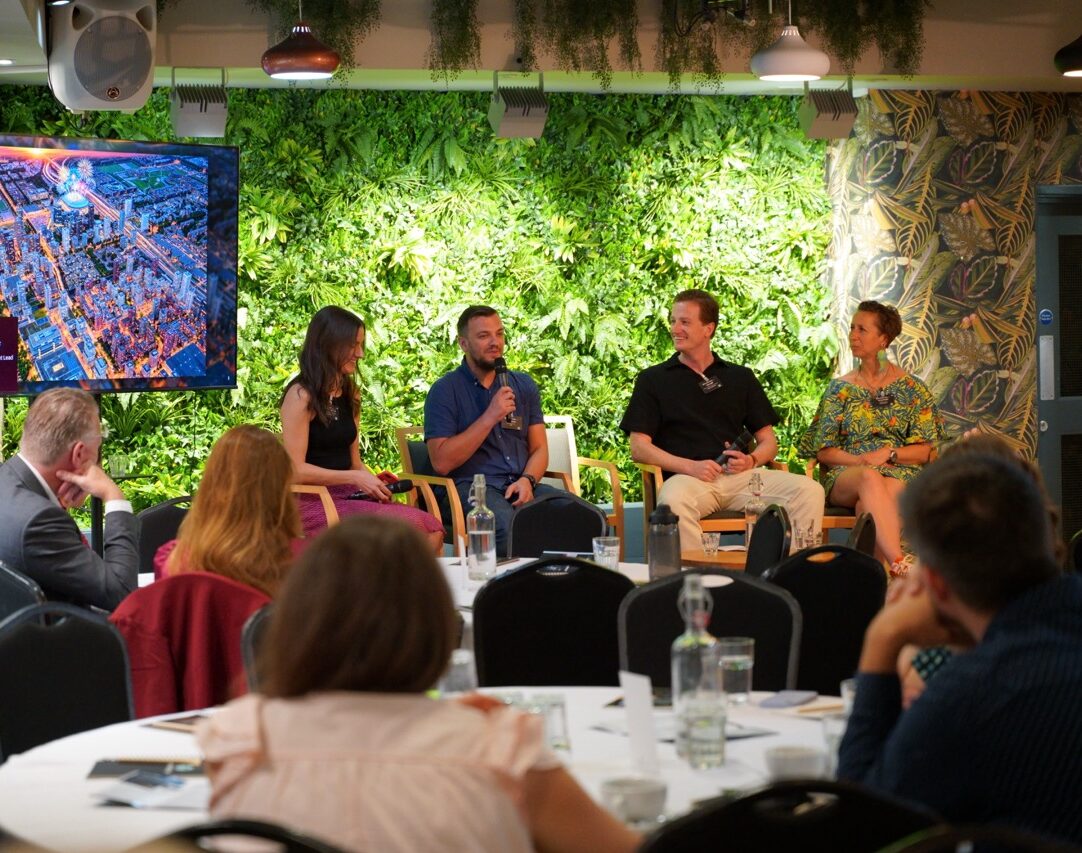
(Panel discussion on the lasting impact of event travel)
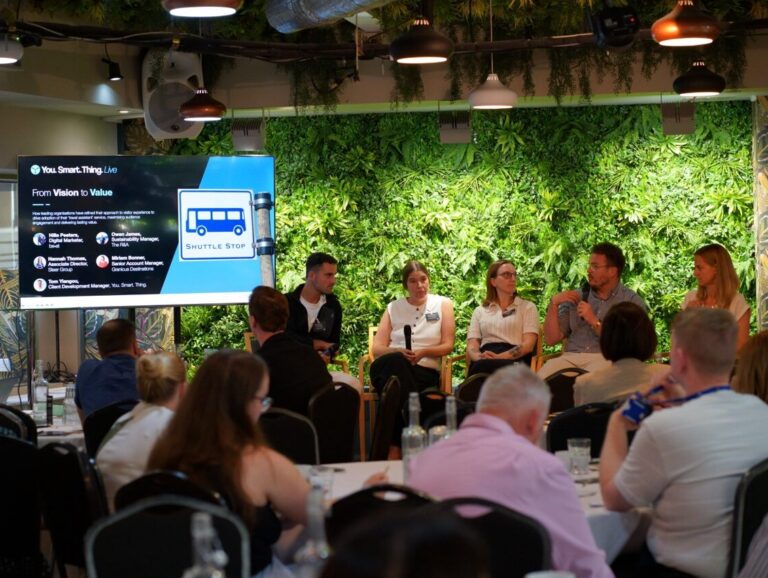
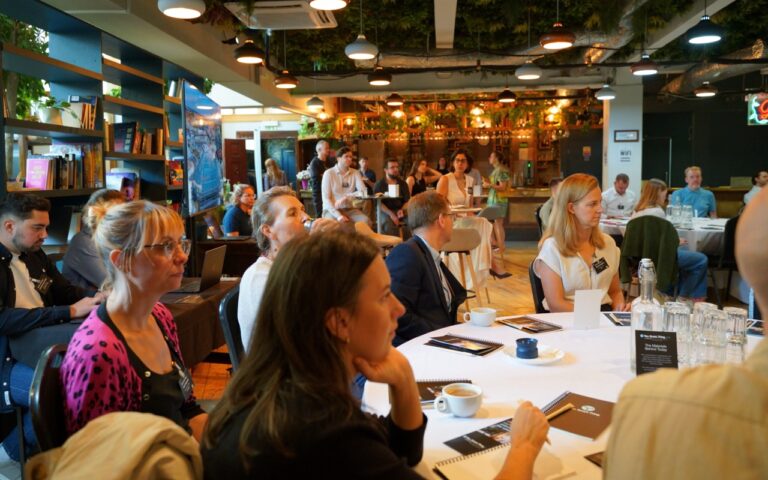
(The From Vision to Value panel and delegates at You. Smart. Thing. Live 2026, London)
Options often exist, communicating them is key
The third panel at ‘You. Smart. Thing. Live’ was titled From Vision to Value and chaired by Tom Yiangou, Client Development Manager at ‘You. Smart. Thing.’. It addressed how event organisers make sure visitors can access and use dynamic travel information.
Hille Peeters, Digital Marketer at be•at, said the venue group had offered free public transport, park and ride, supervised bicycle parking, and an event shuttle for years, and many visitors still did not know. She said: “The information was always there, but I guess it was too scattered across different pages on our websites, so people weren’t finding their way to the information.” Bringing it into one place, and sharing it in a personalised travel plan accessed by email before each event, on every event page, and in the venue app, is what changed engagement at the AFAS Dome.
Owen James, Sustainability Manager at The R&A, shared a similar lesson from The Open. In its first year The Open Travel Assistant provided by YST was presented as a sustainability tool, and promoted after many spectators had already made their plans. A year later it sat at the centre of the travel information and in every planning email. The number of travel plans rose sharply. Owen shared the figures on stage: about 3,000 travel plans in the first year of the service and 66,000 in the second. He zoomed in on audience perception of the role of The R&A as an event organiser: “It’s about our audience understanding that we can be the team that helps them get there.”
Hannah Thomas, Associate Director at Steer Group, explained why accessibility has to come first. For many people with restricted mobility the question is whether they can attend at all, so travel information belongs at the point of ticket purchase, with enough detail to give them confidence in the whole trip, there and back.
Miriam Bonner, Senior Account Manager at Granicus Destinations, added that destinations now aim to attract the right visitors, not necessarily the largest number, and use travel insight to ‘attract and disperse’ people, managing the flow of visitors to key attractions whilst spreading the economic benefits of tourism to lesser-known areas across a region.
From shared questions to shared outcomes
Later in the day, the insight came from the delegates themselves, in breakout sessions where organisers, venues, and partners compared what’s working and what can be improved.
On incentives and sustainability, the starting point was simply to position desired behaviours, such as the lowest carbon routes, at the top of the list of travel options. Delegates cited convenience indicators such as “avoid congestion” as a nudge technique. On fan engagement, capturing data and learning from comms strategies year-on-year was highlighted as the key to driving ROI. And on curating the last mile, visitors need confidence about cost (no surprise parking fees), space, timing, venue entrance proximity and step-free access.
Many of those challenges were addressed in the session that followed. Andrew Steele, Chief Operating Officer, and Antonis Kousoulas, Head of Product, set out where the ‘You. Smart. Thing.’ travel assistant product roadmap is heading: a service that responds in real time, gives visitors more control over their travel plan, and updates when a road closes or a service changes. Behind it all, Andrew said, is the company’s core skill: bringing together multimodal data on buses, trains, roads, footpaths, cycling and micromobility to show visitors options they would not otherwise find.
Lynsey Bell, Proposal Manager at event partner Granicus Destinations, widened the view from the venue to the destination that hosts it: events do more than fill a venue, and venues, destinations, and organisers achieve the most when they plan together.
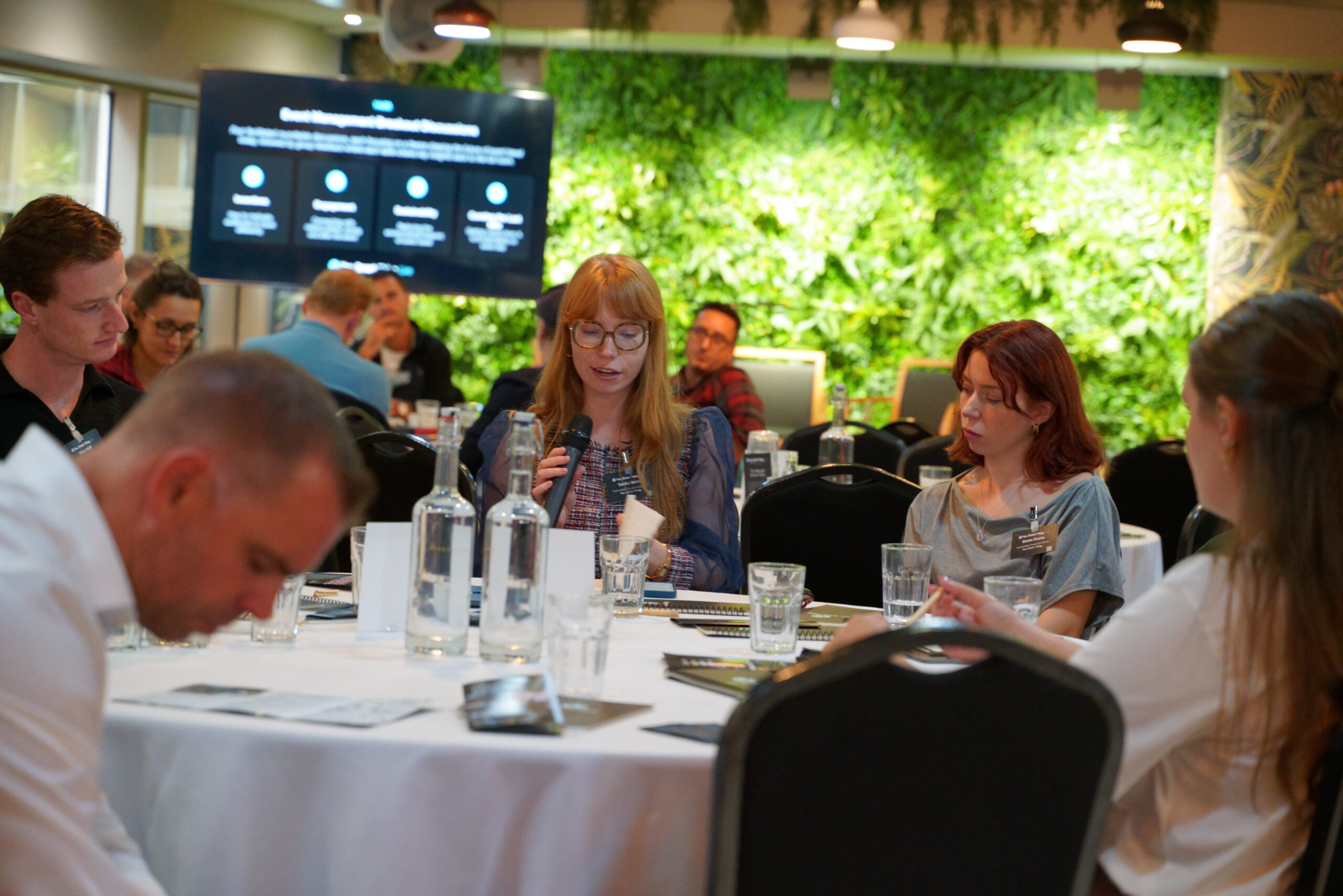
(Delegates discussing event travel in breakout groups)
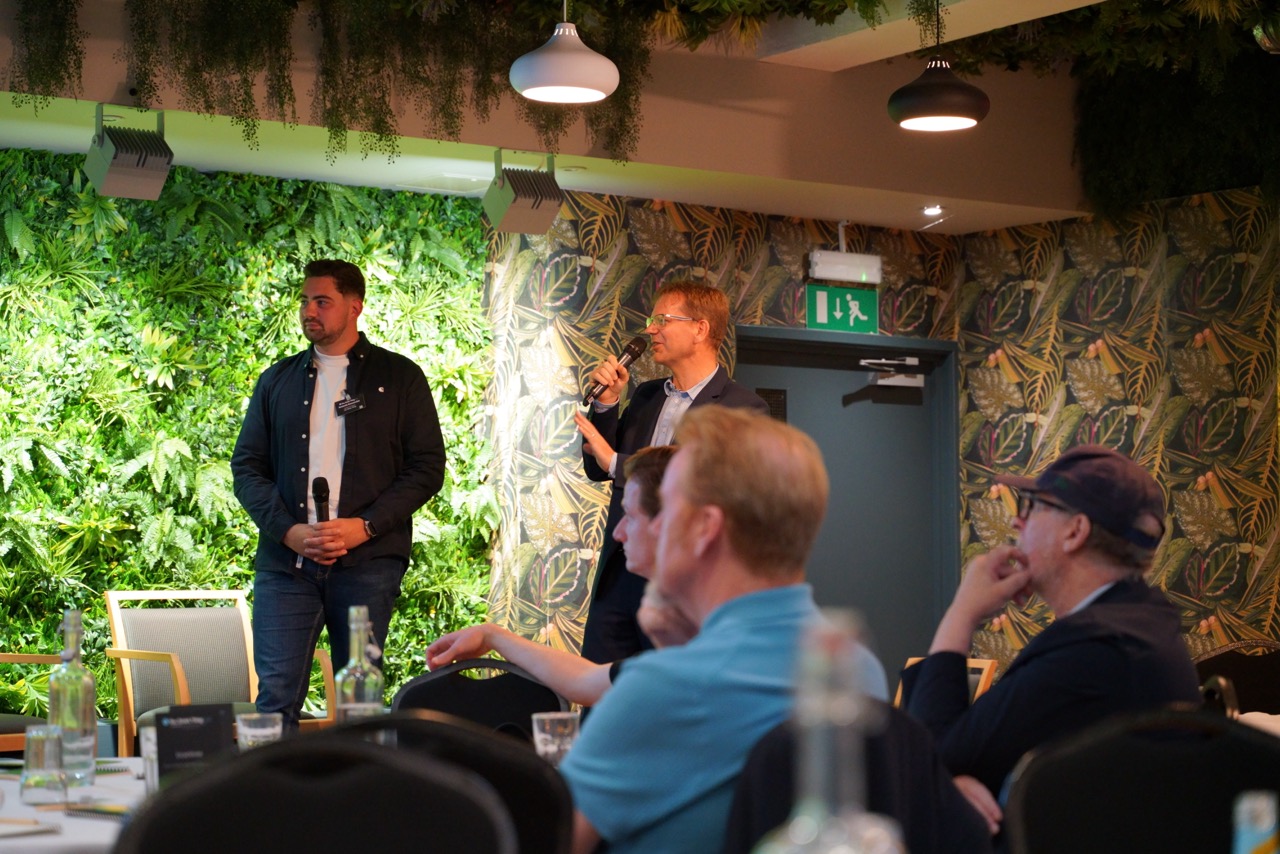
(YST platform update on the travel assistant roadmap)
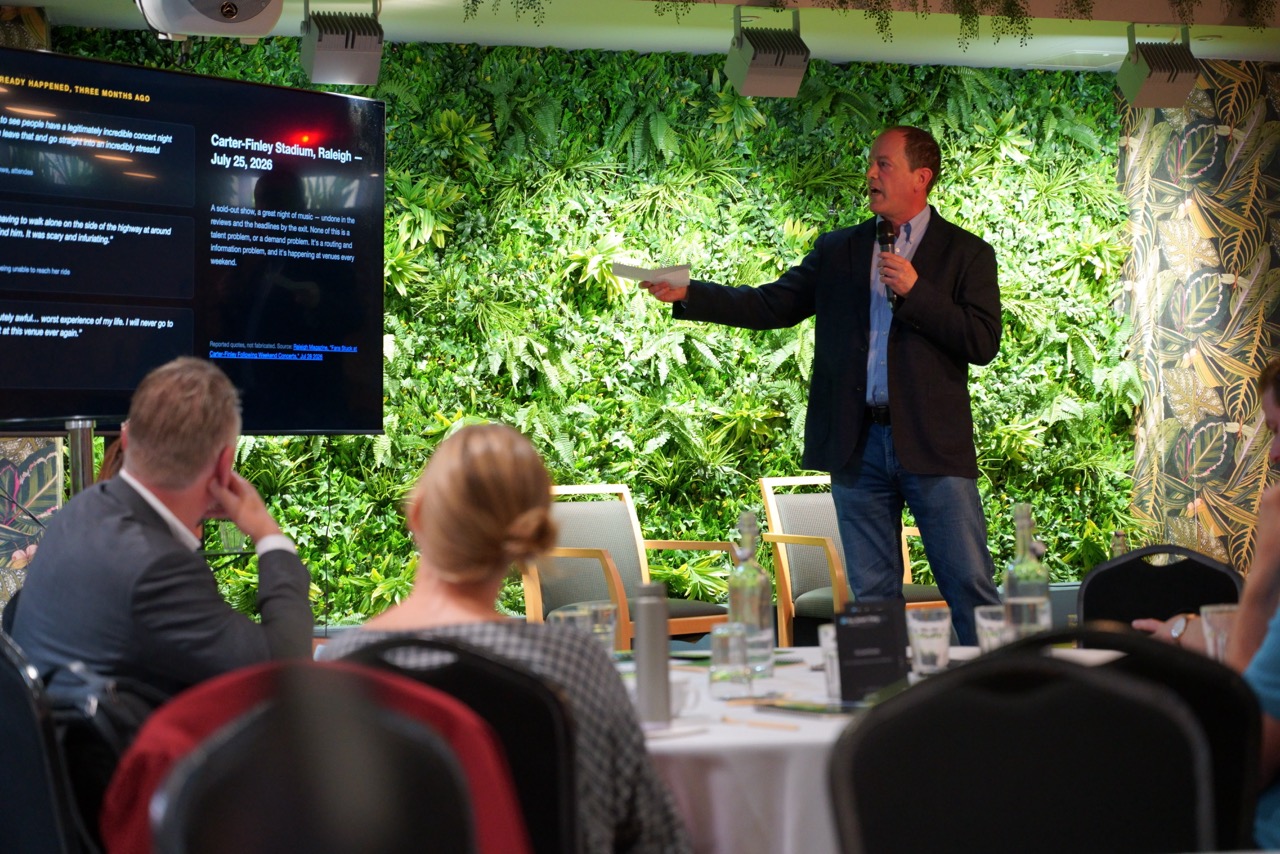
(Will Phillipson closes the day)
The best trips remembered for all the right reasons
In the closing keynote, When Events Own the Journey, Will Phillipson, Chair of ‘You. Smart. Thing.’, argued that organisers already own the trip – at least in the perception of their visitors, including its downsides. A sold-out show can be undone in the next day’s reviews by chaotic egress and a nightmare trip home. Operations and logistics teams do an incredible job of planning the detail. Managing ingress and egress, he explained, is typically an information problem – which makes it one the industry can solve.
Emma Gibbons closed the day by returning to Sam Dils’s point that visitors should feel their trip has already been thought through. ‘You. Smart. Thing.’ is now sharing the insights from the day with its clients and partners.